







![]() |
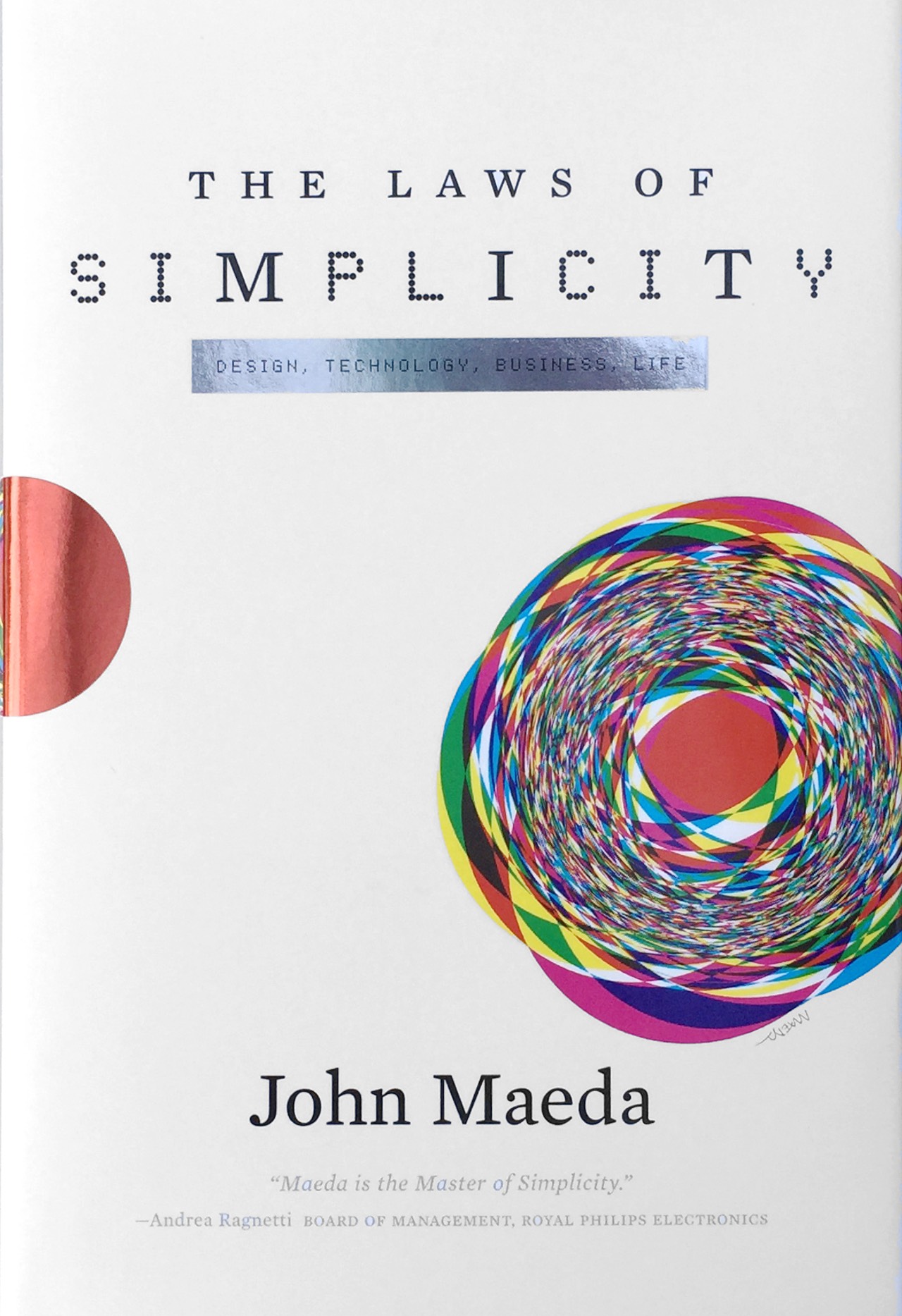
I wrote The Laws of Simplicity in late 2005 to early 2006 to get my thoughts down about simplicity. In the course of 100-pages, I outline the Ten Laws as used on this website. |
|
|
I’m not a Buffettologist but this book might have become my first step towards that path. I particularly enjoyed No. 47: In looking for someone to hire, you look for three qualities: integrity, intelligence, and energy. But the most important is integrity, because if they don’t have that, the other two qualities, intelligence and energy, are going to kill you. Feels very the one-ish to me. |
|
|
I’m not a heavy Starbucks drinker, but I think practically everyone I know is. There seem to be a lot of books about Starbucks, but this particular one hit the spot for me and scored as a Venti. I enjoyed Howard Behar’s wisdom, and particularly this quote he had collected and placed on his wall, “If there was no praise or criticism in the world, then who would you be?” It felt very much like the one thing to remember for me. |
|
|
This year I think I’ve read every “Three Habits” or “Twelve Principles” or “Seven Salamis” of “Effective CEOs” as a self-prescribed hobby. No book did this job better for me than Phil Jackson’s Sacred Hoops. I know absolutely nothing about basketball but I do know who Michael Jordan is. To imagine that MJ had “a boss” was sort of hard for me to imagine, and this book is about the story of MJ’s boss and how he motivated his players’ path towards winning with compassion and love. It was a surprisingly emotion-al book that I wish all CEOs would read. |
|
|
This book posits that to be organize-d is a bad thing. The authors argue that when you add up all the time you might spend cleaning up your office, that the actual time savings gained in finding things later falls short of the total time you spent cleaning. In other words, that there is no savings in time by being tidy. Furthermore they make a case for messiness as an all-important catalyst for being creative. Are they right? Well, given that they wrote a well-organized book, it sort of runs counter to their overall thinking … |
|
|
Being a big fan of duct tape, I couldn’t resist picking up Made to Stick by Chip and Dan Heath with its clever embossed image of my favorite adhesive technology. The premise of the book is that there are certain characteristics of ideas that become “sticky” in the minds of consumers: simplicity, unexpectedness (differences), concreteness, credibility (trust), emotion (emotion), and stories. I enjoyed their treatise on simplicity where they defined the equation of simplicity = core + compact. Their definition certainly embodies their own principle. |